Norman Radow
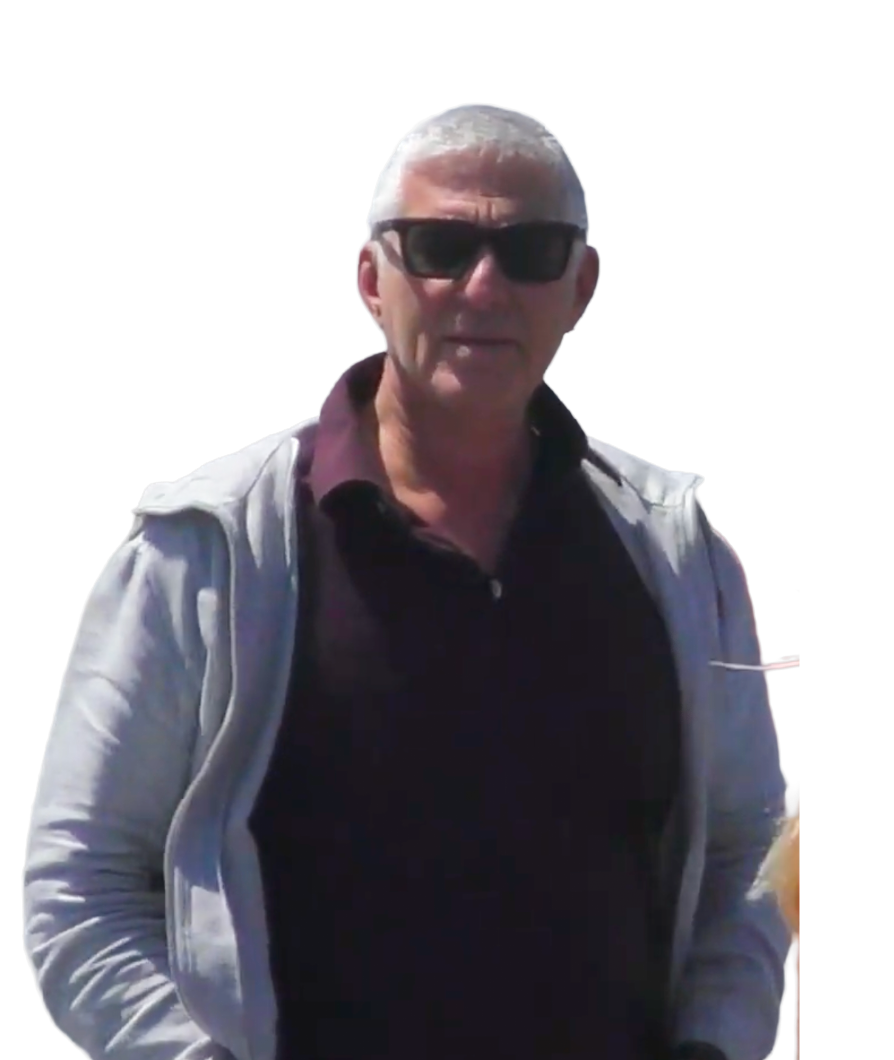
Norman Radow

Lindy Radow
The Radow Paradox: Empire, Philanthropy, and the cost of Revitalization
Part I: The Crucible of New York and the Foundations of a Dynasty
1.1 The Shadow of the Launch Pad: The Influence of Paul Radow
The psychological and ethical architecture of Norman J. Radow, and by extension the corporate ethos of The RADCO Companies, cannot be fully deconstructed without first examining the formidable shadow of his father, Paul Radow. Born in Brooklyn on October 23, 1922, to Ukrainian and Polish immigrants, Paul Radow represents the archetypal mid-century American success story that his son would later mythologize and emulate. Paul was a mechanical machinist and inventor, a man whose hands shaped both the mundane and the celestial. He is credited with inventing “nearly indestructible” pockets for Levi Strauss dungarees, a testament to practical ingenuity, but his career reached its zenith with his work for the Otis Elevator Company. There, he helped design the launch pad elevator systems for the NASA Apollo program, a feat of engineering that required absolute precision and reliability.1
Norman Radow frequently cites his father’s “mensch” status—a Yiddish term implying a person of integrity and honor—as the guiding principle of his life. Paul’s battle with lung cancer, during which he reportedly never complained and focused on consoling others, serves as a foundational narrative for Norman’s resilience.1 This reverence is not merely sentimental; it has been operationalized through significant capital. The Paul Radow Scholarship at Kennesaw State University (KSU), endowed with $1.2 million, is restricted to mechanical engineering students, specifically favoring adult learners and military veterans—a direct homage to Paul’s service as a B-17 flight engineer in World War II.2
This lineage suggests a deep-seated respect for technical competence and structural integrity, themes that ironically clash with some of the operational criticisms later leveled against Norman Radow’s real estate holdings. While Paul Radow was defined by engineering perfection required for space travel, Norman’s empire was built on the messier, more chaotic business of distressed real estate “workouts,” where perfection is often sacrificed for financial viability.
1.2 “The Bev”: The Matriarchal Influence
If Paul Radow provided the professional compass, Beverly “The Bev” Radow provided the cultural and intellectual one. Passing away in March 2024 just shy of her 97th birthday, Beverly Siegel Radow was a voracious reader who, due to the economic constraints of her era, never received a formal higher education. She worked to support her brother’s medical ambitions, a sacrifice that Norman Radow has memorialized by funding the renovation of the KSU Social Sciences building lobby, now named “The Bev” in her honor.3
The naming of “The Bev” is significant. It places a woman denied education at the physical entrance of an institution dedicated to it. This reflects a specific strain of Radow philanthropy: it is intensely personal, using institutional wealth to correct perceived historical or familial injustices. Beverly’s “acerbic wit” and “dry sense of humor” are traits often attributed to Norman himself, particularly in his aggressive legal and business dealings.4 The Radow family narrative is one of upward mobility facilitated by sacrifice, a story that Norman Radow leverages to legitimize his massive wealth accumulation as a tool for broader social good.
1.3 The Making of a “Workout King”: Legal Origins
Norman Radow’s path to becoming one of Atlanta’s most powerful real estate moguls was circuitous. He did not study construction or architecture; he studied the law of failure. Graduating from New York Law School (NYLS) in 1981, after obtaining a B.A. from SUNY Plattsburgh, Radow cut his teeth in the litigation and bankruptcy courts of New York City.5His early career as a special assistant corporation counsel for New York City and later as general counsel for Euramax exposed him to the visceral realities of urban decay and financial collapse.6
It was during these formative years that Radow developed the skillset that would define his career: the ability to navigate complex, adversarial legal landscapes to extract value from distressed assets. He learned that in real estate, the most profit is often found not in building new towers, but in rescuing drowning ones. This “workout” mentality—the idea that value is created through legal and financial restructuring rather than mere construction—became the DNA of The RADCO Companies, founded in 1994.
1.4 Lindy Shallcross: The Artistic Counterbalance
Entering the narrative later but with equal force is Lindy Shallcross Radow. Her trajectory stands in stark contrast to the gritty, litigation-heavy world of her husband. A musical prodigy, Lindy made her orchestral debut with the Calgary Philharmonic at the age of six. She pursued the rigorous, disciplined life of a concert pianist, earning a Master’s Degree from The Juilliard School and performing with elite ensembles like the Boston Pops and the Atlanta Symphony Orchestra.7
Lindy’s background in the high arts brings a layer of cultural sophistication to the Radow brand. While Norman’s early career was defined by foreclosure battles, Lindy’s was defined by the pursuit of aesthetic perfection. Her influence is palpable in the couple’s philanthropic portfolio, which balances the hard sciences (engineering scholarships) with the humanities and arts. Her conversion to Judaism, culminating in her being the first person to convert at the Metro Atlanta Community Mikvah (MACoM), signals a profound personal commitment to the community that transcends mere marriage; it indicates a deep, chosen identity that fuels her activism in Jewish causes alongside Norman.8
The couple married in May 2016 in Turks and Caicos, a union that merged two distinct worlds: the combative, high-stakes arena of distressed real estate and the disciplined, emotive world of classical music.9
Part II: The RADCO Empire – Anatomy of the “Workout”
2.1 The Mechanics of Distress: The Lehman Brothers Era
To understand Norman Radow’s wealth, one must understand the catastrophe of 2008. While most developers were facing ruin, Radow was stepping into his element. He was retained to manage the residential portfolio of the Lehman Brothers bankruptcy estate—a sprawling, toxic collection of stalled condominiums, half-finished subdivisions, and lawsuits. Radow’s role was to be the “cleaner.” He had to evict non-paying tenants, finish construction, settle liens, and repackage these assets for sale.10
This period earned him the moniker “The Workout King” in the financial press. It also solidified the RADCO business model: buy low, aggressive management, sell high. The “workout” is not a passive investment; it is an active, often aggressive intervention. It involves forensic accounting to find hidden value and ruthless legal maneuvering to clear titles. This experience is critical context for the current controversies facing RADCO; the company was forged in the fire of adversarial asset recovery, a culture that can be difficult to unlearn when transitioning to being a standard landlord for working-class families.
2.2 The Pivot to Multifamily: The “Value-Add” Algorithm
Post-recession, Radow pivoted RADCO from a workout firm to a principal owner. He correctly identified a macroeconomic shift: the decline of homeownership and the rise of the “rentership society.” RADCO began acquiring B and C-class apartment complexes in the Southeast and Central U.S., amassing a portfolio that would eventually top 30,000 units.10
The strategy, known as “value-add,” is an algorithm for gentrification. RADCO targets properties that are “undermanaged” or “tired.” They acquire the asset, inject capital for cosmetic upgrades (branding, clubhouse renovations, stainless steel appliances), and then aggressively raise rents to market rates.
For example, the acquisition of “The Park at Briarcliff” in Atlanta illustrates this perfectly. Radow described it as the “quintessential distressed property” because Fannie Mae had foreclosed on DeKalb County, which had previously foreclosed on the developer.11 RADCO acquired it for $39.6 million, rebranded it as “Ashford Druid Hills,” and began the process of repositioning. While this revitalizes the physical asset, it inevitably displaces the lower-income residents who can no longer afford the “market rate” of the improved property.
2.3 Financial Engineering and Capital Stack
RADCO’s growth was fueled by sophisticated financial engineering. Radow utilized private equity, joint ventures, and complex debt structures to scale rapidly. By 2024, despite high interest rates, RADCO continued to execute transactions, such as the acquisition of the DoubleTree by Hilton in Roswell, GA, marking a diversification into the hospitality sector.12 This ability to pivot asset classes—from condos to apartments to hotels—demonstrates Radow’s agility as an investor, but also highlights a view of real estate as a financial instrument rather than housing.
Table 1: The RADCO Companies - Key Operational Metrics
MetricDetailSourceFounded199413HeadquartersAtlanta, GA13Primary StrategyOpportunistic / Value-Add Multifamily10Peak Portfolio~30,000 Units14Transaction Vol.>$3.3 Billion15Key MarketsAtlanta, Tampa, Chicago, Denver, Houston6New SectorsHospitality (Hotels), acquired 12 hotels post-COVID13
Part III: The Operational Reality – Tenant Discontent and Danger
3.1 The “Lipstick on a Pig” Narrative
While corporate press releases celebrate “revitalizing neighborhoods,” the view from the ground floor is often starkly different. Investigative analysis of tenant reviews and complaints reveals a consistent pattern of dissatisfaction that challenges the “luxury” branding of RADCO properties.
Tenants at properties like “Lyra by Radius” in Duluth, GA, and “The Carson at Peachtree Corners” frequently use the phrase “lipstick on a pig” to describe renovations. The complaints allege that while the leasing offices and clubhouses are renovated to look high-end, the actual units suffer from systemic neglect. Issues cited include:
- Pest Infestation: Reports of roaches and rodents are common in reviews for The Carson.16
- Mold: Severe water intrusion leading to black mold is a recurring complaint. One tenant at a RADCO property detailed a ceiling collapse that exposed extensive mold, alleging that management ignored months of maintenance requests.17
- Hidden Fees: Multiple tenants complain of “stupid” parking policies and mandatory fees that inflate the advertised rent, a common tactic in the industry to boost revenue without raising the base rent listed on search engines.16
3.2 Security Failures and Violent Crime
Perhaps the most damning evidence against the “revitalization” narrative is the prevalence of violent crime at RADCO properties. The rebranding of complexes to names like “Lyra” and “The Carson” implies a safe, upscale environment, yet police reports contradict this.
The Lyra by Radius Shootings:
Located at 3865 Shackleford Road in Duluth, GA, this property has been the scene of significant violence. In 2021, a 22-year-old man was shot to death inside an apartment at this location (then known by a previous name or during the transition), leading to the arrest of a 16-year-old girl.19 More recently, investigations into shootings spanning the hotels adjacent to the property and incidents within the complex parking lots have marred its reputation.20
The Carson at Peachtree Corners Homicide:
Similarly, “The Carson” at 2200 Montrose Parkway NE has been linked to fatal violence. Reports confirm a shooting where a man was found dead in a car, and another incident involving a home invasion that left a suspect dead.22 While landlords cannot prevent all crime, the frequency of these events at “luxury” rebranded properties raises liability questions regarding adequate security measures like gate maintenance, lighting, and patrols.
3.3 Class Action Litigation
The dissatisfaction has escalated to the federal level. RADCO Residential is a defendant in multiple class-action lawsuits filed in the Northern District of Georgia.
- Bullock v. Bradford Ridge Owner, LLC et al. (Case 1:2023cv00988): Filed in March 2023, this case names RADCO Residential as a defendant.25
- Gripper v. Gulflet Woodridge, LLC et al. (Case 1:2025cv07151): Filed in December 2025, this active litigation suggests ongoing systemic issues with management practices.26
While the specific dockets for these cases were not fully unsealed in the research snippets, the nature of such suits against property management firms typically involves the mishandling of security deposits, illegal eviction practices, or violations of the Fair Housing Act. The existence of multiple such suits indicates a pattern of aggressive corporate behavior that likely prioritizes revenue retention over tenant rights.
Part IV: The Tax Shelter Controversy – Turk v. MMM
4.1 The Mechanism of the “Syndicated Conservation Easement”
Norman Radow’s involvement in Turk v. Morris, Manning & Martin, LLP offers a rare glimpse into the aggressive tax strategies employed by the ultra-wealthy. Radow is a lead plaintiff in this massive RICO (Racketeer Influenced and Corrupt Organizations Act) lawsuit.
The case centers on “Syndicated Conservation Easements” (SCEs). In an SCE, a promoter forms a partnership (LLC) to buy land. Investors buy shares in the LLC. The LLC then donates a conservation easement (a permanent ban on development) on the land to a charity. The LLC hires an appraiser to claim the “development value” of the land is massive—often 4 to 10 times the actual purchase price. This inflated value is then passed through to the investors as a charitable tax deduction.
4.2 Radow’s Investment and Subsequent Lawsuit
Radow invested in two such funds: Lakepoint Land Group LLC (Fall 2013) and FG River Partners, LLC (Fall 2015).27 When the IRS cracked down on these deals (labeling them “listed transactions” or abusive tax shelters) and disallowed the deductions, Radow was left with a massive tax bill and penalties.
He sued the law firm Morris, Manning & Martin (MMM) and other professionals, alleging they fraudulently induced him to invest by vouching for the legality of the scheme. The complaint alleges that the defendants operated a “racketeering enterprise” to sell these flawed tax shelters.28
4.3 The Double-Edged Sword
This lawsuit presents a significant reputational paradox for Radow.
- The Victim Narrative: Radow claims he was an unwitting victim of legal malpractice and fraud.
- The Sophisticated Investor Reality: The defense has argued that Radow, a seasoned real estate attorney and CEO of a billion-dollar investment firm, is a “sophisticated investor” who understood the risks of a 400% tax return.
The lawsuit remains a contentious battle. In 2025, aspects of the case continued to wind through the courts, with Radow attempting to hold the professionals accountable for the IRS’s rejection of his deductions.29 This reveals a willingness to litigate ferociously not just to make money, but to save it, even if it means publicly admitting participation in a tax strategy deemed abusive by the federal government.
Part V: The Kennesaw State University Kingdom
5.1 The Architect of Expansion
Norman Radow’s relationship with Kennesaw State University (KSU) is the most successful “value-add” project of his career, albeit a philanthropic one. In 1999, KSU was a commuter school with no housing. Radow, leveraging his real estate acumen, spearheaded the acquisition of land and the financing of dormitories, effectively acting as the university’s pro bono developer. Over 13 years as Chairman of the KSU Foundation Board of Trustees, he oversaw $500 million in new development, transforming the campus physical plant.31
5.2 The $9 Million Gift and the “Radow College”
In 2020, Norman and Lindy Radow cemented their legacy with a $9 million gift. This resulted in the renaming of the College of Humanities and Social Sciences to the Norman J. Radow College of Humanities and Social Sciences. This was a watershed moment: a public university naming its liberal arts college after a real estate developer.
The gift included:
- $2 Million for the Lindy Radow Humanities and Social Sciences Honors Scholarship, designed to allow high-achieving students to live on campus without working full-time jobs.32
- Funding for the Radow Institute for Social Equity (RISE).
5.3 RISE: The Progressive Paradox
The Radow Institute for Social Equity (RISE) is the most ideologically complex element of the Radow legacy. Its mission is to study and combat social and economic inequality. The institute has hired scholars like Jesse Benjamin, a Critical Race Theory expert and Pan-Africanist scholar, and Roslyn Satchel, a researcher on intersectionality.33
The paradox is stark: Radow, a capitalist whose wealth is derived from the “workout” of distressed assets—a process that often involves gentrification—is funding research into the very inequalities his industry is accused of exacerbating. Furthermore, in a conservative state like Georgia, where the University System has been pressured to limit DEI initiatives, RISE stands as a privately funded bastion of progressive scholarship. Radow has defended this, framing it through the lens of Jewish ethical obligation (“Tikkun Olam” - repairing the world) and the need for marginalized groups to have a voice.35
Table 2: Radow Philanthropic Ecosystem at KSU
EntityPurposeEndowment/FundingNorman J. Radow College of Humanities & Social SciencesNaming rights for the largest college at KSUPart of $9M GiftLindy Radow Honors ScholarshipFull-ride support for honors students$2M (Matched to $5M)Paul Radow ScholarshipMechanical Engineering (Veterans/Adult Learners)$1.2 MillionRadow Institute for Social Equity (RISE)Research into race, class, and inequalityEndowment”The Bev” LobbyStudent study space renovationCapital Gift
Part VI: Faith, Politics, and The Israel Litmus Test
6.1 The Jewish Identity as Political Anchor
Norman and Lindy Radow are pillars of the Atlanta Jewish community. Their engagement is not passive; it is muscular and political. They are major supporters of Hillels of Georgia, AIPAC, and FIDF (Friends of the IDF). Their son, Neal Radow, served as a “Lone Soldier” in the IDF, a distinction that carries immense weight in Zionist circles.36
6.2 The Ossoff-Kemp Pivot
The most significant political controversy involving Radow emerged in the wake of the October 7 attacks and the subsequent war in Gaza. Radow, traditionally a donor to Democratic causes, publicly broke with Georgia’s Jewish Senator, Jon Ossoff, over the latter’s voting record on Israel aid.
In 2024, as Ossoff faced pressure from the progressive left to condition aid to Israel, Radow joined a group of prominent Jewish donors who threatened to support Republican Governor Brian Kemp in a potential Senate run against Ossoff. Radow was quoted calling Ossoff’s initial votes “stunning” and indicated that the security of Israel was a non-negotiable red line.37
This moment highlights the fluidity of Radow’s political allegiance. While his funding of RISE suggests progressive social values, his foreign policy priority is absolute support for Israel. This places him in the “centrist/hawk” lane, willing to leverage his immense financial power to punish politicians—even those he might agree with on domestic issues—if they waver on Zionism.
6.3 Lindy’s Conversion and Spiritual Leadership
Lindy Radow’s role in this sphere is deeply spiritual. Her conversion to Judaism was a rigorous process, and her role as a founding board member of the community Mikvah (MACoM) positions her as a leader in Jewish ritual life. She frames her Zionism and community work not just as political, but as an extension of her adopted faith identity. At Hillel events, she has been a vocal advocate for Jewish student safety on campuses, linking the local anti-semitism battles to the broader geopolitical conflict.38
Part VII: The Family Dynasty and Future
7.1 Lisa Radow Hurd: The Heir Apparent
The continuity of the Radow influence lies with Lisa Radow Hurd. As the Chief Investment Officer (CIO) of RADCO, she has steered the company’s capital markets strategy through the volatile post-COVID interest rate environment. She is also the public face of the family’s “corporate conscience.”
Hurd serves on the board of Open Doors, a non-profit that connects homeless individuals with apartment units. This creates a strategic feedback loop: RADCO properties (which evict non-paying tenants) also participate in programs to house the homeless (subsidized by non-profits). Radow has praised Lisa for “spearheading” this involvement, noting that he couldn’t say no to her request for funds.39 This involvement allows RADCO to soften its image as a hard-nosed landlord.
7.2 The Next Generation
The Radow family tree is expanding its footprint.
- Neal Radow: The IDF veteran, solidifying the family’s ties to Israel.
- Rachel Radow: An emerging figure, identified as a Summa Cum Laude graduate and soccer player at King University, indicating the family’s continued emphasis on high performance.40
- Neil Radow: Mentioned in older documents as a project associate, indicating that the business serves as a training ground for the family.41
7.3 Succession and Legacy
As Norman Radow approaches the later stages of his career, the focus has clearly shifted to legacy solidification. The PhD he was awarded by KSU in 2023 (Honorary) and the naming of the college suggest a desire to be remembered as an educator and builder, rather than just a “workout king.” However, the active lawsuits and the operational challenges of his real estate portfolio ensure that his legacy remains contested terrain.
Part VIII: Conclusion
Norman and Lindy Radow represent a specific archetype of the American elite: the “Builder-Philanthropist” whose immense contributions to civil society are inextricably linked to the aggressive capitalism that funded them.
To the students of Kennesaw State University, Norman Radow is a hero—a visionary who built their dorms and endowed their scholarships. To the faculty of the Radow College, he is a complex patron—a man funding the study of inequality while embodying the 1%. To the tenants of “The Carson” or “Lyra,” RADCO is often an adversary—a corporate landlord extracting rent while failing to fix the mold. And to the political class of Georgia, the Radows are a force to be reckoned with—a checkbook that comes with clear, non-negotiable ideological strings attached.
The Radows have revitalized towers, rescued banks, and renamed colleges. But as the Turk lawsuit and tenant class actions demonstrate, the cost of this revitalization is often borne by those without the capital to fight back. Their story is not just a biography; it is a blueprint of how power operates in the modern American South.